
Kyiv, 20 March 2026 – The Russian Federation has unlawfully imposed discriminatory measures on a widespread and systematic basis in the occupied territory of Ukraine, creating coercive conditions that forced thousands from their homes and impedes their return, said the UN Human Rights Monitoring Mission in Ukraine in a report published today.
The report details how the Russian Federation has forcibly transferred and deported people from occupied territory, particularly those considered disloyal. In addition, the Russian Federation implemented policies requiring people to obtain Russian citizenship, to be conscripted into the Russian armed forces, and to comply with laws restricting their fundamental freedoms, which have left many residents of the occupied territory with no genuine choice to remain.
These policies have had a discriminatory impact on specific groups of people based on their nationality, political opinion, cultural identity, religious affiliation or sexual orientation, and have been enforced through threats, detention, torture and ill-treatment.
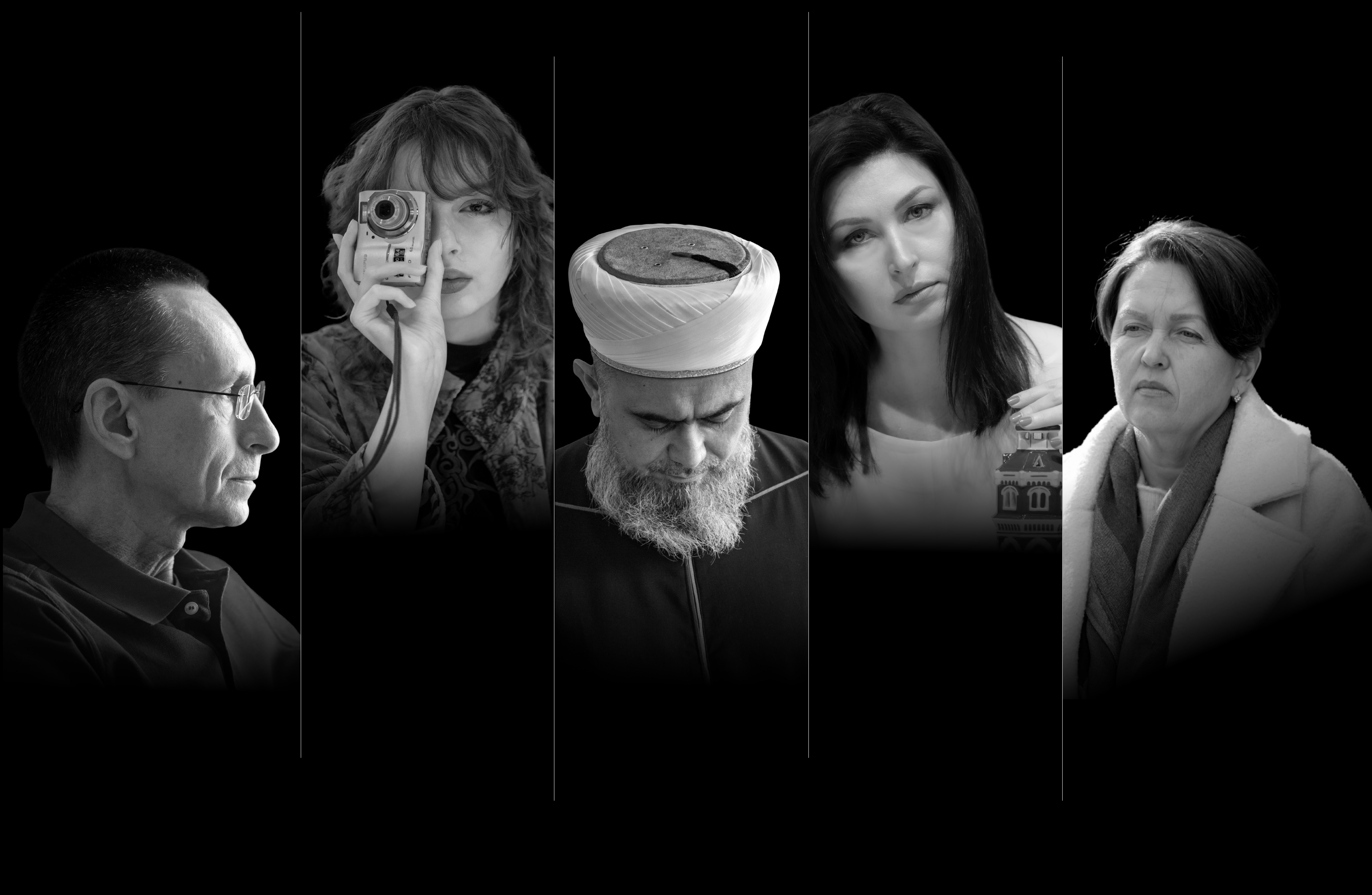
“The people who have fled are diverse: teachers, parents, medical workers, workers at the nuclear power plant, clergy, human rights defenders and many others,” said Danielle Bell, head of the UN Human Rights Monitoring Mission in Ukraine. “Though from different backgrounds, they fled for a common reason: because they could not – or would not – comply with unlawful requirements imposed by the occupying power.”
These policies have also impeded the return of the over 870,000 internally displaced persons (IDPs) to occupied territory. Furthermore, extensive confiscation of private property belonging to displaced people makes return even more difficult, and restrictions and bans on entry to the occupied territory block return entirely.
“At present, to return safely to occupied territory, Ukrainians would have to acquire Russian citizenship, enrol their children in schools teaching the Russian state curriculum, refrain from expressing their Ukrainian cultural identities, and comply with Russian legislation restricting freedom of expression, religion, and sexual orientation and gender identity,” said Bell.
The vast majority of IDPs from occupied territory interviewed by the UN Human Rights monitors identified the ongoing occupation as a barrier to their return.
Those displaced from occupied territory face specific challenges to exercising their rights in Government-controlled territory of Ukraine. Many lack documents, such as birth certificates or identity cards; people displaced from occupied territory do not have access to compensation for damaged or destroyed housing. Some require rehabilitation after they were tortured and ill-treated in detention, while children – who have been following the Russian curriculum – need support adapting to the Ukrainian curriculum.
The report calls for peace negotiations to include the meaningful consideration of the situation and interests of displaced persons and address specifically their return to places of origin in occupied territory, in full compliance with international human rights law and international humanitarian law.
“Displaced persons have a right to voluntary return in safety and with dignity to their homes or places of habitual residence,” said Bell.